
Living with Endometriosis: My Life Behind the Smile

"No matter what age and journey we are on, making time for our health and wellbeing should be our priority."
Endometriosis is a word whispered among women, often shrouded in mystery and misunderstanding. For those of us who live with it, it is not just a word but our everyday reality that shapes our lives, dictating our schedules and impacting our wellbeing in ways most cannot comprehend.

It is not just about bad periods
Endometriosis is a chronic inflammatory disease where tissue like the lining of the uterus (the endometrium) grows on the outside of it. This tissue can attach to organs like the ovaries, fallopian tubes, and even the bowels, causing debilitating pain, heavy bleeding, fatigue, and a host of other Symptoms.
The Pain No One Talks About
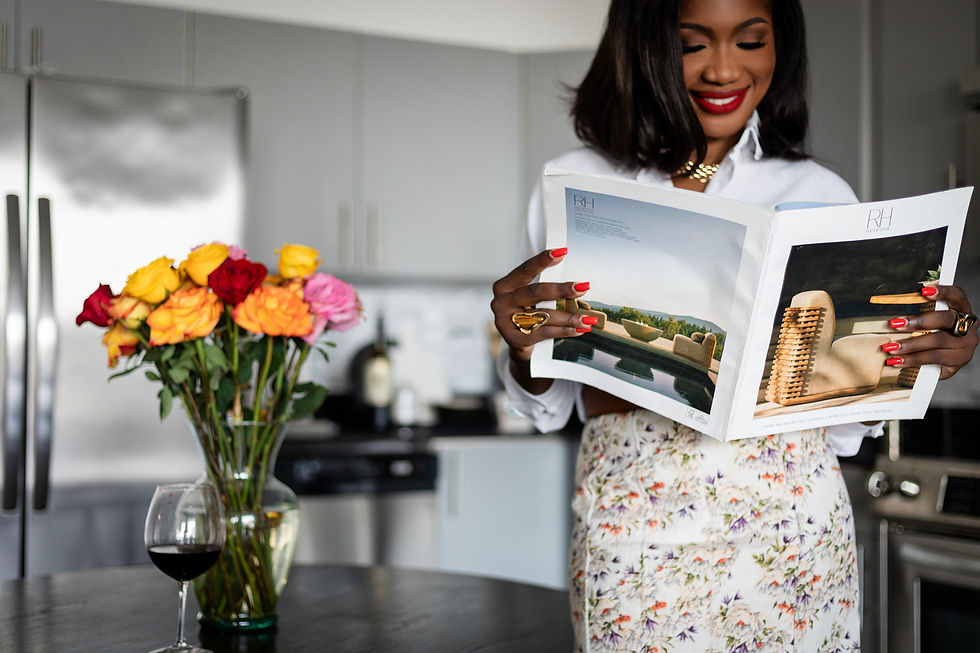
If you look at me on the outside, you probably wouldn't know anything was wrong. I am good at hiding certain things to make it seem like everything is great.
I know I am not the only one guilty of that behavior! Here, we listened, we don't judge.
I smile, I show up when I can, and I do my best to live life like everyone else. But what most people don't see is the battle my body fights every single day — the pain, the exhaustion, and the frustration.
For years, I was told what so many others have heard:
"It's normal to have period pain."
"It's just part of being a woman."
"Try taking some ibuprofen and rest."
But deep down, I knew this wasn't normal.
I remember nights curled up on my bathroom floor, crying from the sharp, stabbing pain in my pelvis. Days where the bloating was so severe I couldn't button my jeans. I had to cancel plans at the last minute because the fatigue hit so hard that I could barely keep my eyes open. Sometimes, the pain was so bad it felt like my body was turning against me.
There have been nights when the pain became so excruciating that I had no choice but to go to the emergency room in the middle of the night. Bent over, barely able to walk, with tears streaming down my face, I would sit under the cold fluorescent lights of the ER, trying to explain a pain that tests couldn't always see. On top of the relentless pain, the side effects of endometriosis have been their exhausting battle: sudden weight fluctuations that made my clothes fit differently from one month to the following, skin problems that would flare up without warning, and hormonal chaos that often left me feeling like a stranger in my own body.
This isn't just "bad cramps." This is a chronic condition that has shaped my life in ways I never expected.
It took years— five to be exact—to finally hear the words: "You have endometriosis."
I should have felt relieved to have a name for what was happening, but I also felt angry. Angry that it took so long. Angry that I doubted myself because doctors dismissed my symptoms.
The Emotional Toll
Endometriosis isn't just physical. The emotional weight is heavy, too.
The guilt of canceling important plans (again), the anxiety of not knowing if tomorrow will be a "good day" or a "pain day," the fear of being seen as unreliable at work, and the isolation of feeling like no one really understands.
There's also the silent grief that comes with the uncertainty of fertility — something that weighs on many of us living with endo. Even if children aren't part of your plan, knowing the choice might be taken away from you still hurts.

Learning to Advocate for Myself
One of the hardest lessons I've learned is that I have to be my own advocate. I've had to push for referrals, ask the hard questions, and demand that my pain be taken seriously. Not every doctor has listened, but some have — and they've made all the difference.
Treatment hasn't been one-size-fits-all. For me, managing endometriosis has included a mix of laparoscopic surgery, hormone therapy, diet changes, heating pads, rest days, and a lot of patience with my body. Some things help. Some don't. But I've learned to give myself grace through it all.
Finding My People
Finding a community of people who get it has saved me on the hardest days. People who understand that "I'm not feeling well" can mean so much more than it sounds. People who know what "endo belly" is without explanation.
If you're living with endometriosis, I want you to know you are not alone. So many of us are out here — fighting, advocating, and supporting one another.

Helpful Resources That Have Made a Difference for Me
Here are some resources that have helped me feel less alone and more empowered:
Endometriosis Foundation of America (EndoFound) Offers education, patient stories, and advocacy efforts for better research and care.
The Endometriosis Association
Support groups, newsletters, and research information.
Nancy's Nook Endometriosis Education (Facebook Group)
A well-moderated group that shares resources about expert surgeons and treatments.
One of the leading centers for surgical care and education on endometriosis.
Center for Endometriosis Care (CEC)
Blog:
Podcasts:
The Cycle, This EndoLife, and The Uterus & The Duderus offer conversations about living with endometriosis, advocacy, and self-care.
Mental Health Support:
Therapy has been a game-changer for me. Chronic illness can affect your mental health, and having someone to talk to about grief, frustration, and anxiety helps.

To Anyone Reading This…
If you're walking this road, I see you. I know the frustration of not being believed. I know the fear of speaking up about your pain. But your story matters. Your pain is real. And you deserve care, respect, and support.
Keep fighting, advocating, and, most importantly, give yourself the grace to rest when needed.
You are stronger than you know.


Commentaires